
Willoughby Examines How Brand Workshops Can Connect Strategy and Creative Direction

Brand strategy gives organizations a clearer basis for decisions about identity, communications and customer experience. A brand positioning workshop can help leadership teams examine purpose, audiences, differentiation, and market context before messaging and design choices are made. Willoughby approaches this work through strategic framing, research, collaborative workshops and integrated identity systems, connecting business objectives with practical brand expression.

Building a clear strategic foundation

Brand development often begins with questions about who the organization serves, what opportunity it addresses, why the brand matters, and how it can differentiate itself. Willoughby’s brand strategy services include competitive audits, insights and research, vision workshops, brand architecture, customer journeys, brand positioning and strategy roadmaps. This framework gives stakeholders a structured way to examine the market and establish priorities. It can also help organizations identify the information that should guide subsequent verbal and visual decisions. For established brands, the same foundation can support evolution by clarifying what should remain consistent and where change may be appropriate.

Aligning stakeholders around direction

Collaborative sessions give leadership groups a structured environment to discuss goals, values, and priorities. Willoughby describes its workshop services as a way to find alignment, empower creativity and build unity. This makes strategic planning workshops relevant when organizations are managing growth, structural changes, mergers, or evolving brand architecture. Structured discussion can help participants identify agreement and establish a common direction before creative work begins. It can document decisions for later reference.

Connecting positioning with messaging

How Does a Brand Positioning Workshop Shape Brand Messaging?

Positioning clarifies what a brand represents, whom it serves, and how it is distinct. Willoughby’s brand identity services connect strategy with brand voice, enabling strategic decisions to inform language, personality, and consistency across customer touchpoints. The process can help stakeholders move from broad strategic ideas to clearer messaging principles for different channels.

Encouraging structured creative exploration

Willoughby’s workshop offering includes whiteboarding and roundtables, supported by a process that combines strategic framing, identity development and brand experience. This can help participants surface perspectives, identify themes and refine concepts before they become assets.

Moving from ideas to implementation

Willoughby’s identity process includes concept visualization, prototyping and design validation. These methods can help teams assess ideas before applying them to websites, packaging and communications. Brand standards guideconsistency.

About Willoughby

Willoughby is a global branding agency providing brand strategy, identity and brand experience services. Its work includes brand invention, identity design, packaging and digital applications. Using a focused and collaborative format, creative thinking workshops can help teams generate and assess possibilities while keeping discussion connected to business objectives.

For more details, visit: https://willoughbydesign.com/

Original Source: https://bit.ly/4zDMq9N

5 Ways to Build a Consistent Corporate Brand

A consistent corporate brand helps organizations communicate clearly across channels, audiences, and markets. Working with corporate branding companies can support this process by establishing a recognizable identity and clear communication standards. These five considerations cover brand foundations, consistency, strategy, audience alignment, and ongoing evaluation to help organizations build a stronger and more coherent corporate presence.

  • Define the Brand Foundation

A strong corporate brand starts with clear foundations: purpose, values, positioning, personality, and visual identity. These elements establish what an organization represents and how it should communicate. It also reduces inconsistent messaging across websites, presentations, social media, advertising, internal communications, and customer-facing materials.

  • Maintain Consistency Across Channels

Consistency does not mean using identical content everywhere. Instead, key brand elements should remain recognizable while adapting to each channel and audience. Global branding agencies often develop guidelines covering logos, typography, colour systems, imagery, tone of voice, and messaging. These standards help distributed teams make appropriate decisions without weakening the identity.

Review major customer touchpoints regularly to identify inconsistencies before they affect brand recognition.

  • Connect Identity With Business Strategy

Brand identity should support business objectives rather than operate separately from them. Clear positioning can help organizations explain their value, distinguish themselves from competitors, and maintain relevance as markets change. Brand strategy consulting firms can help connect audience research, competitive analysis, positioning, messaging, and brand architecture.

  • Adapt for Different Audiences

A corporate brand may communicate with customers, employees, investors, partners, and other stakeholders, each with different information needs. The core identity should remain stable, while messaging can change according to audience priorities and context. Creating audience profiles and communication principles helps teams choose appropriate language, evidence, formats, and channels.

Map key audiences and communication needs before developing new brand materials or campaigns.

  • Measure and Refine the Brand

Brand consistency requires ongoing attention because organizations, markets, and audience expectations change. Useful measures can include brand awareness, message recall, digital engagement, customer feedback, and adherence to brand guidelines. Regular audits can reveal where communication has become fragmented or outdated.

A consistent corporate brand depends on clear foundations, coordinated communication, strategic alignment, audience relevance, and regular evaluation. Organizations seeking further guidance can review the work and resources available from Willoughby on their website for additional perspectives on building and managing effective brand identities.

Key Takeaways

  • Establish clear brand purpose, values, positioning, and identity standards.
  • Keep core brand elements consistent while adapting content to different channels.
  • Connect branding decisions with wider business and audience strategies.
  • Tailor communication without creating fragmented brand identities.

For more details, visit : https://willoughbydesign.com/

Original Source: https://bit.ly/4yrrOAw

How to Build a Strong Brand Repositioning Strategy

A changing market can make an established brand feel less relevant, even when its products remain valuable. Customer expectations shift, competitors evolve, and new categories emerge. A clear brand repositioning strategy helps a business respond without losing the equity it has built. The process involves understanding current perceptions, identifying a credible new position, and aligning customer touchpoints around it. A focused approach can create greater relevance, clarity, and brand consistency.

When Is Repositioning Needed?

What Signals Show Repositioning Is Needed?

Declining relevance, changing customer expectations, new competitors, or a gap between the brand promise and customer experience can indicate a need for change. Market research and customer feedback help distinguish a temporary challenge from a deeper positioning issue, while competitor reviews reveal where customer expectations are moving.

How Can It Protect Brand Value?

Repositioning does not require abandoning everything that came before. It identifies valuable brand assets, then updates the message, audience focus, or market role around them. This preserves continuity while making the brand more meaningful to current customers.

Explore Willoughby’s approach to building a clearer and more relevant brand direction.

How Do You Build It?

What Belongs in a Brand Strategy Roadmap?

A practical brand strategy roadmap should define the current position, target audience, competitive context, desired perception, brand promise, proof points, and communication priorities. It should establish milestones for strategy, messaging, and customer experience. Ownership and objectives keep the work focused.

How Can Consistency Be Maintained?

Every expression of the brand should reinforce the new position, including visual identity, website content, campaigns, sales materials, and customer interactions. Internal teams need guidance so the strategy translates into everyday decisions. Regular reviews identify gaps and keep the repositioned brand aligned as the market changes.

Connect with Willoughby to shape a practical repositioning plan that supports consistent brand expression.

About Willoughby

Willoughby helps organizations clarify their identity and communicate their value through strategic brand development, positioning, naming, and design. Its work supports businesses navigating growth, market change, or shifting audience expectations. Through brand positioning analysis, Willoughby connects business goals with a clear, differentiated market presence and consistent customer experience. The approach brings strategy and design together to strengthen recognition and relevance.

Key Takeaways

  • Repositioning responds to meaningful changes in markets, audiences, or competition.
  • Strong strategy protects existing brand equity while creating greater relevance.
  • A roadmap should connect research, positioning, messaging, identity, and implementation.
  • Consistency across customer touchpoints helps establish the new position.
  • Ongoing measurement keeps the brand aligned with changing customer expectations and market needs over time.
  • Regular reviews support long-term brand relevance.

For more details, visit: https://willoughbydesign.com/

Original Source: https://bit.ly/4ymuIXj

“`

How Can B2B Companies Measure Brand Building Success?

Brand building is a long-term investment, but its impact should still be measurable. Strong brands can improve recognition, trust, consideration, and commercial performance across the buying journey. For B2B organizations, combining brand signals with business metrics helps teams understand what is working and where marketing and branding services can create value.

Set Objectives

Before measuring results, define what the brand needs to achieve. Objectives may include increasing awareness, strengthening differentiation, improving perceived expertise, entering a new market, or supporting expansion. Each objective should have a measurable indicator and realistic timeframe. This creates a baseline for comparing progress, helps teams align around priorities, and reduces reliance on impressions, vanity metrics, or isolated campaign results.


Track Awareness

Brand awareness can be measured through aided and unaided recall, branded search activity, direct website traffic, and share of voice. Consideration adds another layer by examining whether target buyers include the company in relevant shortlists. For B2B teams consistently assessing whether early-stage perceptions are changing over time, these indicators provide a practical foundation for b2b brand building. Monitor trends, not isolated data points.

Connect your brand metrics with commercial outcomes to build a clearer growth picture.

Link to Revenue

How Can B2B Companies Measure Brand Building Success?

Connect brand metrics to the buying journey, from awareness through consideration and preference. Use surveys, website analytics, search data, CRM information, and sales feedback to create a balanced view. This approach helps teams identify which signals are moving together and where further research is needed. Review current metrics before setting new targets. Assess the evidence across periods before concluding.

Use a connected measurement framework to link brand signals with commercial outcomes.

Check Consistency

A strong brand should remain recognizable and relevant across channels, audiences, and customer touchpoints. Regular brand tracking can assess message clarity, distinctiveness, trust, and perceived value. Internal measures also matter: employee understanding of the brand can indicate whether positioning is being translated consistently. Use these findings to refine brand strategy, messaging, and customer experiences. Regular reviews can reveal gaps before they affect customer interactions.


Measuring brand building success requires a mix of perception, behaviour, and commercial indicators. No single metric tells the full story. Willoughby helps organizations build coherent brand systems that connect strategy, identity, and experience. Explore the approach on their website for strategic marketing and branding services today.

  • Define measurable brand objectives before tracking performance.
  • Combine awareness, consideration, perception, and commercial metrics.
  • Monitor trends over time instead of isolated results.
  • Connect brand indicators with pipeline, retention, and sales outcomes.
  • Use customer and employee feedback to test brand consistency.

For more details, visit: https://willoughbydesign.com/

Contact : 816.561.4189

Email: info@willoughbydesign.com

Original Source: https://bit.ly/3TRjThC 

How Can B2B Companies Measure Brand Building Success?

Brand building is a long-term investment, but its impact should still be measurable. Strong brands can improve recognition, trust, consideration, and commercial performance across the buying journey. For B2B organizations, combining brand signals with business metrics helps teams understand what is working and where marketing and branding services can create value.

Set Objectives

Before measuring results, define what the brand needs to achieve. Objectives may include increasing awareness, strengthening differentiation, improving perceived expertise, entering a new market, or supporting expansion. Each objective should have a measurable indicator and realistic timeframe. This creates a baseline for comparing progress, helps teams align around priorities, and reduces reliance on impressions, vanity metrics, or isolated campaign results.


Track Awareness

Brand awareness can be measured through aided and unaided recall, branded search activity, direct website traffic, and share of voice. Consideration adds another layer by examining whether target buyers include the company in relevant shortlists. For B2B teams consistently assessing whether early-stage perceptions are changing over time, these indicators provide a practical foundation for b2b brand building. Monitor trends, not isolated data points.

Connect your brand metrics with commercial outcomes to build a clearer growth picture.

Link to Revenue

How Can B2B Companies Measure Brand Building Success?

Connect brand metrics to the buying journey, from awareness through consideration and preference. Use surveys, website analytics, search data, CRM information, and sales feedback to create a balanced view. This approach helps teams identify which signals are moving together and where further research is needed. Review current metrics before setting new targets. Assess the evidence across periods before concluding.

Use a connected measurement framework to link brand signals with commercial outcomes.

Check Consistency

A strong brand should remain recognizable and relevant across channels, audiences, and customer touchpoints. Regular brand tracking can assess message clarity, distinctiveness, trust, and perceived value. Internal measures also matter: employee understanding of the brand can indicate whether positioning is being translated consistently. Use these findings to refine brand strategy, messaging, and customer experiences. Regular reviews can reveal gaps before they affect customer interactions.

Measuring brand building success requires a mix of perception, behaviour, and commercial indicators. No single metric tells the full story. Willoughby helps organizations build coherent brand systems that connect strategy, identity, and experience. Explore the approach on their website for strategic marketing and branding services today.

  • Define measurable brand objectives before tracking performance.
  • Combine awareness, consideration, perception, and commercial metrics.
  • Monitor trends over time instead of isolated results.
  • Connect brand indicators with pipeline, retention, and sales outcomes.
  • Use customer and employee feedback to test brand consistency.

For more details, visit: https://willoughbydesign.com/

Contact : 816.561.4189

Email: info@willoughbydesign.com

Original Source: https://bit.ly/3TRjThC

A Brand That Keeps Moving Forward

VISION

More than a way to get there.

The true test of a civic brand is if it can bring a vision to life and continue earning trust, adapting and creating value as the city evolves. The RideKC Streetcar brand was built on the belief that when the city invests in itself, reconnecting neighborhoods and creating new opportunities for growth is possible. Willoughby Design brings this same perspective through brand strategy consulting firms.

IDENTITY

Navigating a system.

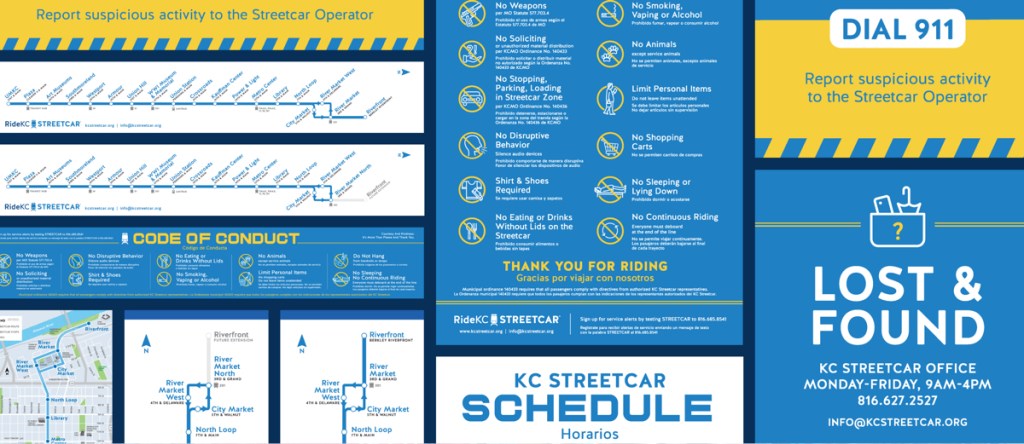
The identity was designed to communicate with a shared visual language that helps people find their way with confidence. It needed to feel welcoming, accessible, safe and distinctly Kansas City. Not just a creative endeavor, the core brand was an exercise in functional simplicity. supported by brand positioning strategy.

EXPRESSION

A canvas for our city.

The neutral white, platinum and graphite vehicle design was intentionally chosen to give the system a sleek and sophisticated presence while, at the same time, allowing it to serve as a moving canvas for celebrating our city’s events, teams and spirit.

GROWTH

Standing the test of time.

Over the past decade, the RideKC Streetcar has expanded from its original downtown route into a connector stretching from the Berkley Riverfront to UMKC. The identity has proven strong enough to support new stations, partnerships, events and experiences while maintaining its original clarity and consistency.

PROOF

Welcoming the world.

That ultimate test came in 2026 as Kansas City welcomed the FIFA World Cup. The KC Streetcar became an essential part of the city’s transportation network, carrying record numbers of residents and visitors through the urban core. This was the moment that truly demonstrated how a thoughtfully designed and managed civic brand can scale to meet the needs of a growing city through marketing and branding services.

STEWARDSHIP

Brands don’t learn. The people who guide them do.

For the past decade, the KC Streetcar Authority has become a case study for the success that can be achieved with visionary and dedicated brand stewardship. They have listened to riders, tirelessly evolved the experience and thoughtfully grown the system. This is how brands become institutions.

Original Source: https://bit.ly/4rqCKwo

5 Reasons to Strengthen Basic Marketing and Branding

A strong business needs more than a useful product or service to remain recognizable and credible. Clear positioning, consistent visuals, and purposeful communication help businesses connect with the right audiences. Marketing and branding services can support these fundamentals while helping clarify what a business offers and why customers should pay attention.

  • Build a Clear Business Identity

A defined identity helps customers quickly understand what a business represents. This includes its values, visual style, tone of voice, and market position. Without these basics, marketing messages can become inconsistent across websites, social platforms, advertisements, and sales materials. Strengthening the foundation creates greater consistency and makes future campaigns easier to plan, recognize, and maintain.

  • Improve Recognition and Recall

Consistent branding makes it easier for customers to recognize a business across different touch points. Repeated use of appropriate colors, typography, imagery, messaging, and positioning can create stronger associations over time. This consistency matters particularly when customers encounter several competing businesses offering similar solutions. A recognizable identity can help a company remain memorable throughout the buying process.

Start by reviewing whether your current branding looks and sounds consistent across every customer-facing channel.

  • Support Stronger Market Positioning

Basic branding also influences how a business is perceived relative to competitors. B2B brand building can help organizations communicate expertise, value, and differentiation more clearly, particularly when purchasing decisions involve multiple stakeholders. A practical starting point is identifying the audience, understanding its priorities, and defining the qualities that should be associated with the business.

  • Create More Effective Marketing

Marketing performs better when the underlying brand strategy is clear. Campaigns can communicate more effectively when there is already a defined audience, message, visual identity, and value proposition. Businesses should also review whether their marketing materials answer customer questions and maintain consistent positioning. These checks can reduce confusion and create a more connected experience from initial awareness through consideration.

Review existing marketing materials before launching new campaigns to identify gaps in messaging, design, or positioning.

  • Make Future Growth More Consistent

Strong fundamentals provide a framework for future marketing activity. As businesses add services, enter new markets, or adopt new communication channels, established branding standards can help maintain consistency. Regular reviews are useful because audiences, competitors, and business priorities change. Updating the foundation when necessary allows branding to remain relevant without losing the recognition already established.

Conclusion

Strengthening basic marketing and branding can improve recognition, positioning, communication, and long-term consistency. Businesses considering professional support can review the approach and capabilities outlined by Willoughby to better understand available branding and marketing services.

Key Takeaways

  • Clear branding helps customers understand a business.
  • Consistency strengthens recognition across channels.
  • Strong positioning can clarify competitive differences.
  • Defined brand foundations support better marketing campaigns.
  • Regular reviews help keep branding relevant as businesses grow.

Get more details at https://willoughbydesign.com/

Original Source: https://bit.ly/4yLQSmg

Building a Brand Identity That Adapts Without Losing Recognition

A recognizable brand needs more than a logo and color palette. Effective brand identity graphic design creates a visual system that can adjust across packaging, websites, environments, campaigns, and platforms. The challenge is preserving familiar signals while allowing flexibility for audiences, formats, and communication needs.

Build the Identity From Strategic Foundations

A useful identity begins with the organization’s purpose, positioning, audience, personality, and competitive context. These foundations guide choices involving typography, color, imagery, graphic devices, and verbal tone. When design decisions reflect a clear idea, the system feels connected rather than decorative. Teams can also explain why specific elements belong and how they support recognition clearly.

Clarify the brand’s central idea before developing visual directions.

What Are the Latest Trends in Branding Agencies?

Agencies increasingly create adaptable systems instead of rigid sets of assets. Motion, modular layouts, accessible color choices, flexible typography, and channel-specific templates help brands communicate across changing formats. In brand identity advertising, these tools support variation without making every campaign look unrelated. Trends provide useful possibilities, but each choice should serve the brand’s actual character and audience.

Test the System in Real Applications

A concept may appear strong in a presentation yet struggle on packaging, signage, mobile screens, social posts, or internal documents. Prototyping exposes those gaps early. Testing several sizes and contexts helps teams evaluate readability, hierarchy, image treatment, and tone. It also shows whether employees and external partners can apply the system consistently without constant interpretation or unnecessary redesign.

Test key identity elements across realistic applications before final approval.

Create Guidance That Supports Consistency

Brand standards should explain how the identity works rather than simply listing restrictions. Useful guidance covers logo use, typography, color, photography, illustration, messaging, accessibility, and common layouts. Examples of correct applications can reduce uncertainty. The system should also define where variation is acceptable, giving creative teams room to respond to new channels while protecting recognizable brand cues.

About Willoughby

Willoughby develops visual and verbal identity systems through naming, concept visualization, design, voice, prototyping, validation, and brand standards. Its work connects brand identity marketing strategy with tools that support consistent expression across customer interactions while allowing the identity to evolve.

Key Takeaways

  • Begin with purpose, positioning, audience, and personality.
  • Design visual and verbal elements as one connected system.
  • Use trends only when they strengthen the brand’s character.
  • Test identity concepts across realistic formats and sizes.
  • Create standards that explain both consistency and flexibility.
  • Include accessibility and readability in design decisions.
  • Give teams templates and examples for everyday applications.
  • Review the system as channels and audience needs change.

For more details, visit https://willoughbydesign.com/

Original Source: https://bit.ly/4dIDvey

Benefits of Workshops for Brand and Business Strategy

Workshops give business leaders a structured way to bring people together, clarify priorities, and turn ideas into practical direction. A well-designed brand positioning workshop can help teams define what makes a company distinctive while creating space for meaningful discussion. Beyond branding, workshops can strengthen strategic decision-making, encourage fresh thinking, and build stronger collaboration across leadership and teams.

Aligning People and Priorities

  • How can workshops improve branding, strategy, and team collaboration?

Workshops create a focused setting where leaders can examine a brand’s purpose, audience, competitive position, and future direction together. Guided discussion helps uncover differing assumptions and identify areas that need greater clarity. Instead of decisions being shaped by isolated opinions, participants can build a shared understanding of the brand and its goals.

Book a workshop to help align leadership around a clearer brand direction.

  • Why does shared alignment matter?

When leaders and employees understand the same priorities, decisions become easier to make and communicate. Shared alignment can reduce confusion between departments and help teams apply brand strategy more consistently. It also gives employees a stronger sense of ownership because they have contributed to the process. This collaborative approach can support more confident decisions as the business evolves.

Turning Ideas Into Action

  • How can workshops strengthen strategic planning?

Strategic planning workshops provide a structured environment for examining challenges, opportunities, goals, and potential actions. Facilitated exercises can help teams move from broad discussions toward practical priorities and next steps. They can also reveal gaps between business objectives and current strategies. This makes workshop discussions useful when leadership teams need clarity before committing resources or pursuing a new direction.

Contact professionals to explore a workshop designed around specific business and team objectives.

  • How do workshops encourage creative thinking?

Workshops give teams permission to explore different possibilities before settling on a solution. Rapid ideation, guided exercises, and open discussion can surface perspectives that may not emerge during routine meetings. The process can build trust while encouraging people to challenge assumptions constructively.

About Willoughby

Willoughby is a global branding agency that helps leadership teams align around shared vision, business goals, and brand direction. Its speaking and workshop services include moderated creative thinking workshops, whiteboarding, roundtables, and customized keynotes. Sessions can address positioning, strategic planning, collaboration, and creative thinking, with formats available for in-person or virtual teams.

Key Takeaways

  • Workshops create alignment around brand and business priorities.
  • Guided discussion can uncover different perspectives and assumptions.
  • Strategic sessions help turn complex challenges into actionable priorities.
  • Creative exercises encourage fresh ideas and constructive collaboration.
  • Facilitated sessions can strengthen ownership, trust, and decision-making.

To get more details, visit https://willoughbydesign.com/

Original Source: https://bit.ly/4xbmvW8